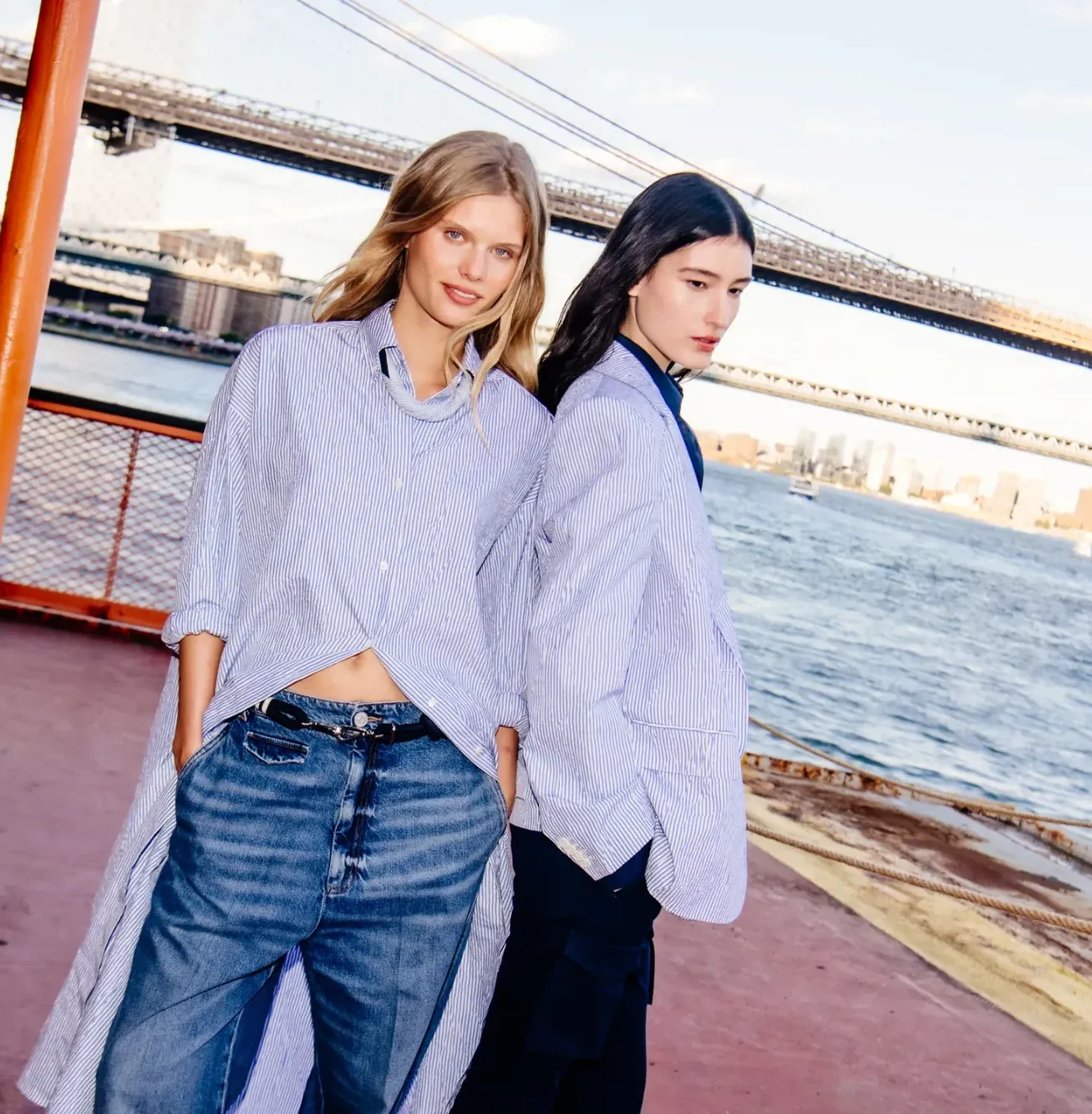
Shaping Fashions New Energy
Photo: Laia Garcia Furtado
25/02/2025
February 2025 carried an energy that was hard to ignore, a sense that fashion was no longer just about seasonal rotation but about rewriting codes of wearability, storytelling, and culture. Across runways in New York, London, Milan and Paris, designers leaned into sportswear aesthetics with a heightened level of sophistication, turning utilitarian jackets, technical fabrics and functional pockets into luxury staples. The result was a wave of pieces that blurred the lines between comfort and statement, where activewear details could sit seamlessly alongside sculptural tailoring. At the same time, the quiet dominance of minimalist silhouettes was challenged by nostalgic bursts: pleated skirts cut in bold patterns, plaid references, and tank tops styled in unexpected ways. These items, once considered basic or casual, were elevated into the heart of collections, a move that reflected how everyday wear has become the real language of luxury.
Campaigns rolled out in tandem, each one capturing not only clothing but mood. From glossy photography to retro film filters, the visual codes of early 2025 revealed a fascination with nostalgia. Brands pushed campaigns that looked like they were shot decades ago, grainy, warm, intimate, yet presented with the sharpness of modern storytelling. This throwback spirit met the digital sphere where Instagram and TikTok influencers became almost as crucial as official lookbooks. As Vogue highlighted in its SS25 trend report, the tank top was not just a layering tool but a canvas for reinvention, and street style confirmed it as fashion week attendees wore it with pleated minis, structured blazers, and even floor-length skirts. CR Fashion Book captured the energy of SS25 campaigns, showing how houses like Prada and Dior leaned heavily on cinematic narratives to convey heritage while still appealing to Gen Z’s appetite for authenticity.
In February, the duality of forward-thinking design and backward-looking aesthetics defined the mood. Nostalgia functioned as a comfort zone in uncertain times, while futuristic sportswear delivered confidence and mobility. Retro silhouettes like soft flares or subtle 90s sheers showed that the industry thrives on re-examining the past rather than discarding it. At the same time, the rise of utility signaled that consumers are looking for functionality that does not compromise style. The hybridisation of workwear, sportswear, and luxury couture illustrated how the boundaries between lifestyle segments are collapsing.
The February streets outside the shows provided their own campaign, as always. The sharp tailoring, nostalgic layering, playful hosiery and bold accessories spotted in New York and Paris reminded observers that the true test of a trend is not on the runway but in the lived experience of those who adopt it. Accessories became signals—pleated bags, sculptural belts, metallic touches—and showed how details could anchor a whole outfit.
What February 2025 ultimately signaled is that fashion is settling into a rhythm of contradictions: minimalism paired with nostalgia, sportswear elevated into couture, and retro moods re-edited through a futuristic lens. This is not a clash but a new type of balance, one that acknowledges consumers’ craving for comfort, identity and story all at once. The campaigns reinforced this by blending glossy fantasy with personal narrative, shifting away from untouchable glamour and into something more human. As the season moved forward, it was clear that the defining spirit of early 2025 was not just about clothes—it was about capturing an energy that feels both timeless and urgently now.
Tommy Hilfiger / Photo by Laia Garcia-Furtado